
Yasiru Senarathna
Lead UX Designer
Yasiru is the Lead UX Designer at Merge. With a deep expertise in SEO and technical optimization, he specializes in building high performance digital experiences.
- Feb 08, 2026
- 8 min read
How to Get AdSense Approval in 28 Days: A Case Study
Getting rejected by Google AdSense is a frustration almost every new publisher faces. The vague email citing "Low Value Content" or "Policy Violation" offers little direction on what to actually fix.
At Merge, we recently navigated this exact minefield with our partner, Pressvia. After an initial rejection, we executed a strategic overhaul of the site's user experience (UX) and credibility signals. The result? We turned a rejection into a fully approved, monetized platform in just 28 days.
Here is the exact roadmap we used to fix the errors and get approved.
Phase 1: Diagnosing the "Low Value Content" Error
When Pressvia first applied, Google flagged the site for "Low Value Content." This is often a misleading error. It doesn't always mean your articles are bad; it often means Google's bots can't verify the value due to poor structure or lack of trust signals.
We paused all applications for two weeks. Spamming the "Request Review" button without changes is a guaranteed way to get ignored. Instead, we used that time to audit the site.

Phase 2: Establishing E-E-A-T (Trust & Credibility)
Google's algorithms prioritize E-E-A-T (Experience, Expertise, Authoritativeness, and Trustworthiness). We found two major gaps in Pressvia's trust signals that we immediately fixed.
1. Banning the "Admin" Author
One of the most common reasons for rejection is anonymous publishing. Pressvia's articles were originally attributed to a generic "Admin" user.
The Fix: We updated every article to feature real author names and unique bios. Google needs to know that a human, not a bot, is behind the content.
2. The "Boring" Pages Are Mandatory
You cannot get AdSense approval without the legal framework. We noticed the site was missing standard compliance pages.
The Fix: We built out a dedicated About Us page to tell the publication's story, along with clear Privacy Policy and Terms & Conditions pages. These aren't just for legal protection; they are checkboxes in the AdSense approval process.
"Following the right content guidelines made the difference between instant rejection and a smooth 28-day approval."
Merge Strategy Team
Phase 3: Technical SEO & The Lighthouse Audit
Content is king, but performance is the castle. If the castle is crumbling, no one visits. We ran the site through Google Lighthouse to identify why the user experience (UX) was failing.
Fixing Core Web Vitals
Our audit revealed poor scores in Largest Contentful Paint (LCP) and layout shifting.
LCP Fixes: We implemented aggressive caching strategies and optimized image delivery to ensure the main content loaded instantly.
Stable Layouts: We pre-defined the dimensions for images and ad containers. This stopped the layout from "jumping" as the page loaded a massive UX improvement that signals quality to Google.
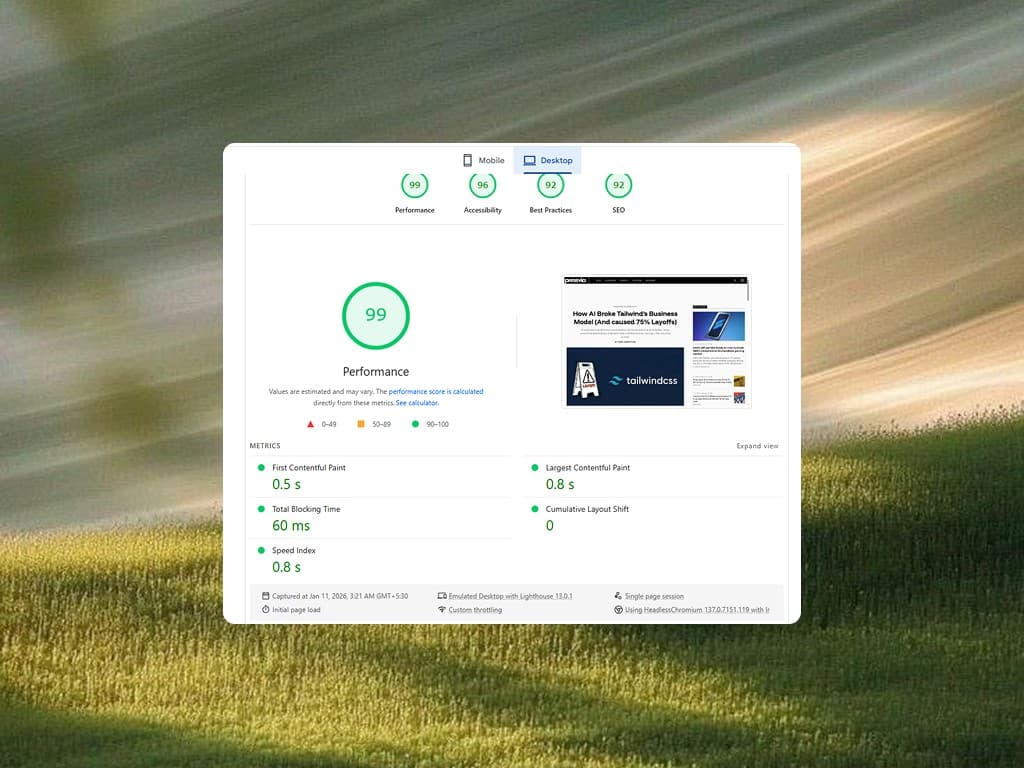
The Result: Approval in 4 Weeks
After implementing these fixes author transparency, mandatory policy pages, and technical UX improvements we waited for the two-week mark and re-applied.
The application was accepted immediately.
By focusing on the user experience first and the ads second, we built a foundation that doesn't just pass Google's bots it delights real human readers.
Need Help Getting Monetized?
At Merge, we don't just design websites; we partner with publishers to build sustainable businesses. From fixing technical SEO errors to designing modern, ad-ready layouts, we handle the heavy lifting so you can focus on creating content.
Ready to Create?
Have an Idea? Let's Discuss It.
From early concepts to full builds, we're here to help you move forward.